Our story
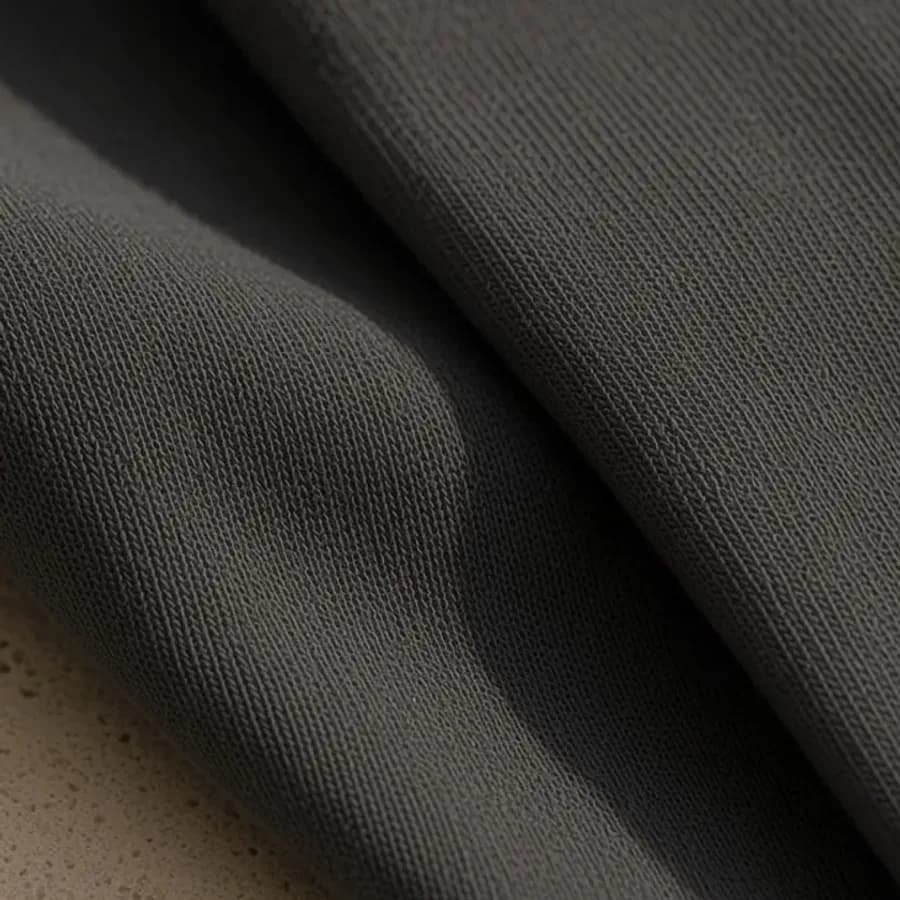
BANIYAN started as a refusal. A basic did not need a logo, a season, or a warehouse of clothes nobody had asked for. It needed cloth that holds, and a cut that stays quiet.
01 / The name
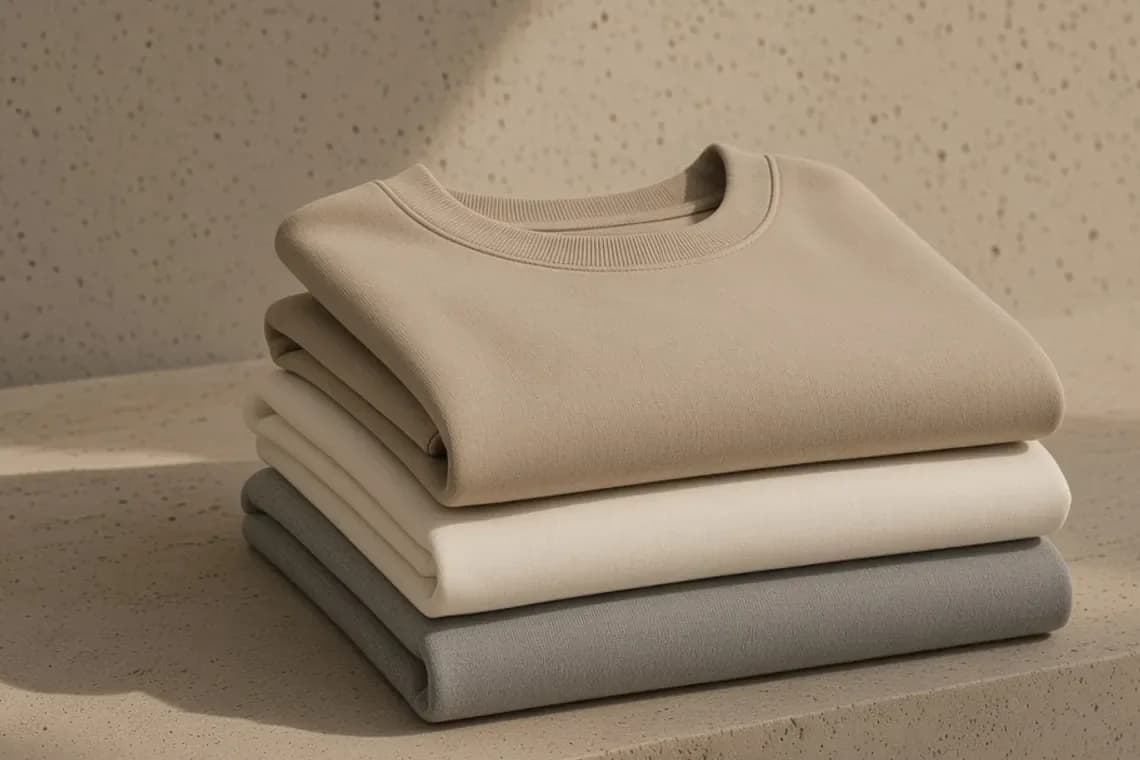
Our core offerings – crewnecks, hoodies, joggers, and tees – are designed for everyday. We focus on making them properly and then get out of the way. We believe nothing on the chest needs to announce who made it.
02 / No waiting on a rail
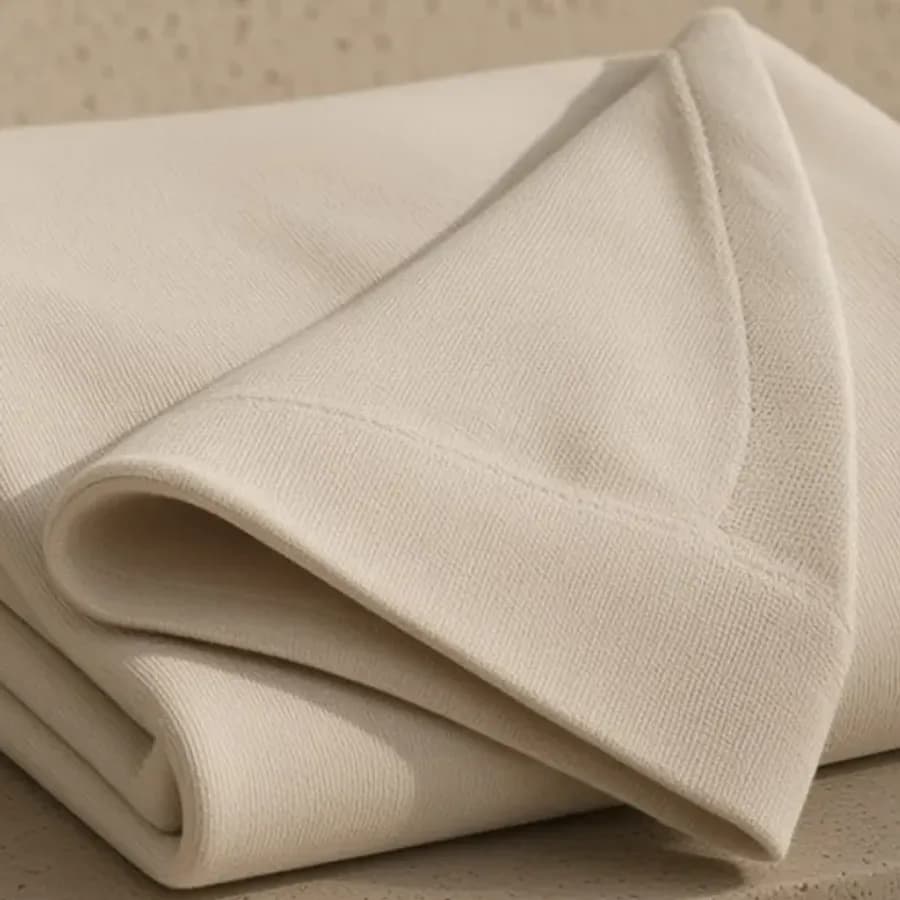
A finished garment with no order is waste, in dye, thread, and packaging. We cut only after an order, in Europe, so each piece exists for a purpose. We prefer to state the realistic wait time rather than use a ready-to-ship rack.


03 / What we kept short
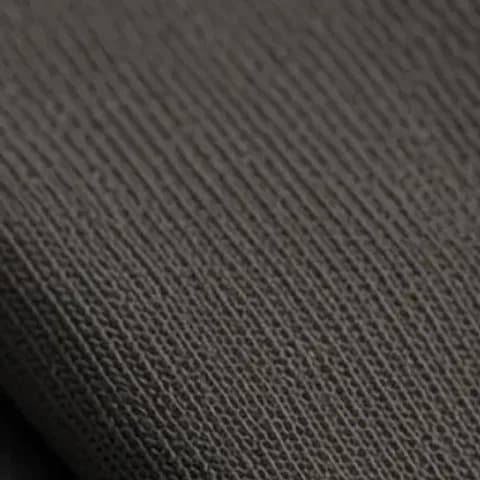
We curate a timeless color palette: sand, ivory, stone, charcoal, navy, and black. A new shade must prove its permanence. Our styles are kept minimal to be truly useful basics, not just seasonal drops to keep up with.
The workshops
The rooms are in the EU, and they are certified. What arrives on the table is one order: a style, a size, a colour. The workshop that cuts the piece is the workshop that answers for it.
We do not split a bundle across cheaper rooms to save a minute. The cloth stays a bolt until that order is on the table.
ManufacturingSustainability
The largest cut is the one we do not make. What remains is the fibre, the bath, and how the piece leaves.
The field
Organic cotton, grown without the usual synthetic pesticides.
The bath
A dye lot the size of the order, not the size of a season.
The parcel
Kraft paper and a cotton tape. Nothing added for the photograph.
The process
Order
You name the piece. Until then it is still cloth.
Cut
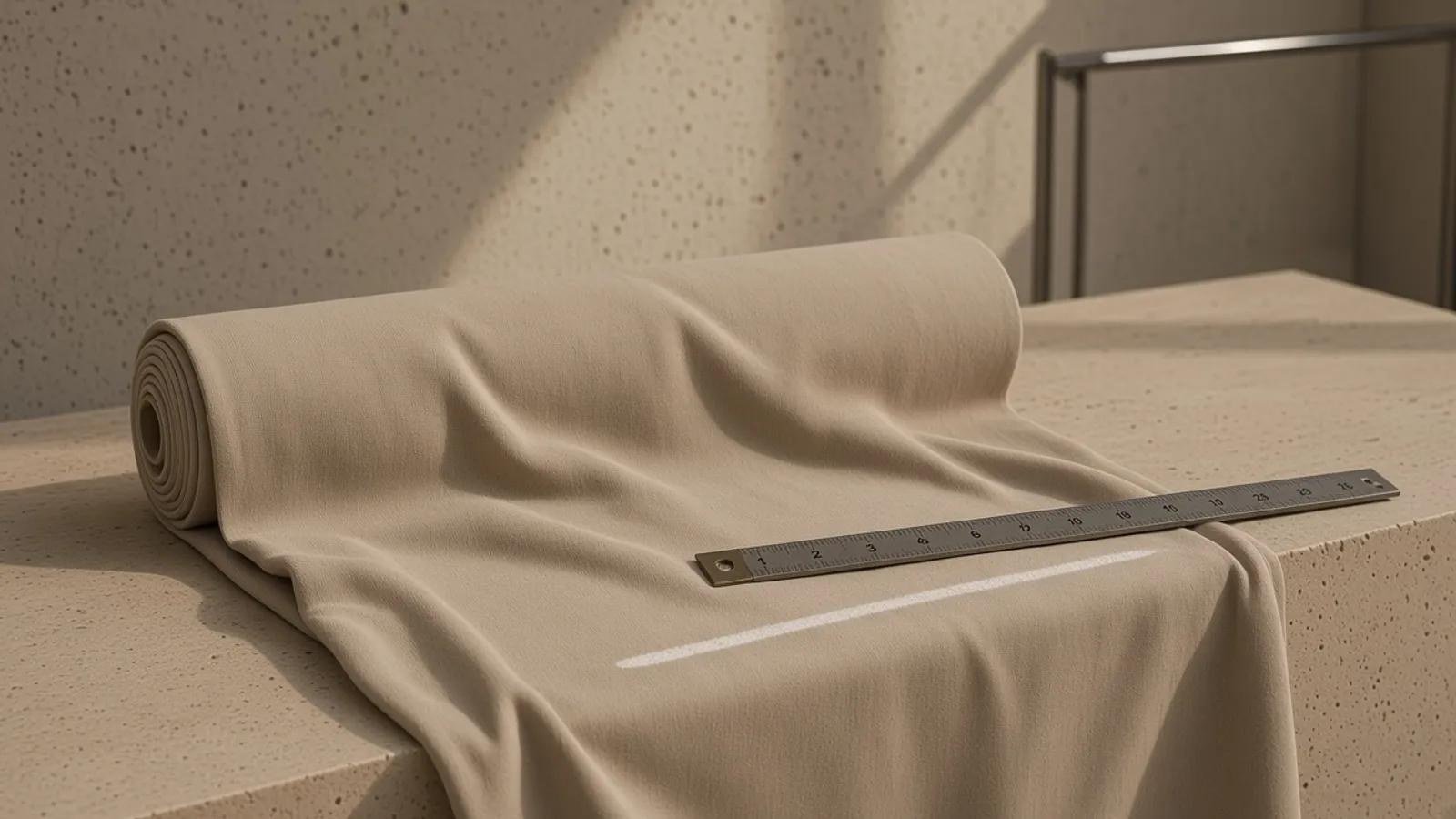
The chalk line is the first mark that it is real.
Craft
Sewn, then dyed, then looked at: seam, hem, and the size.
Journey
After the check, it leaves. Most parcels take three to seven business days.