2 February 2026
Organic cotton, and what the hand-feel actually is
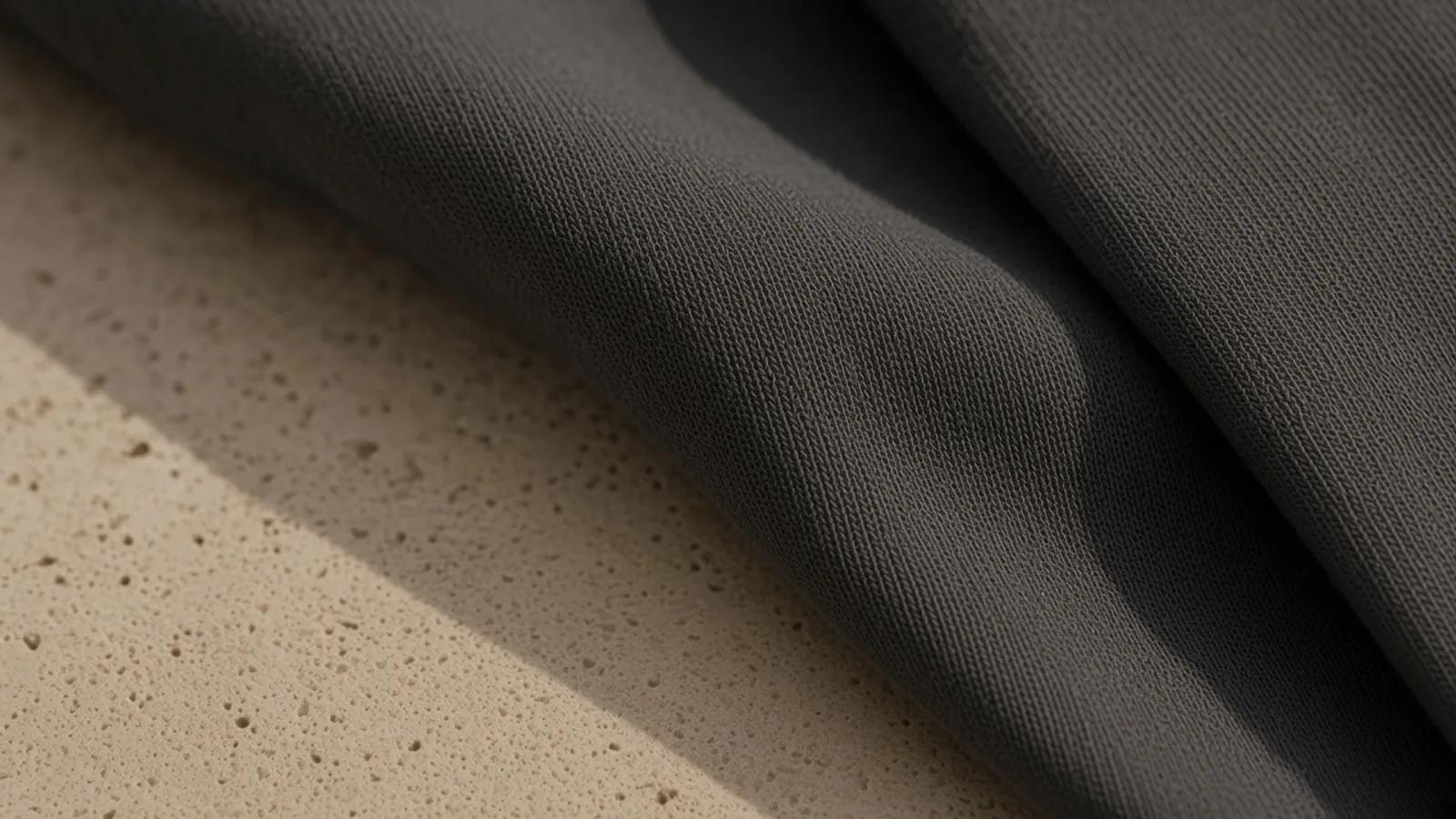
Quiet luxury, if the phrase has to be used, starts with the cloth. Midweight loopback, a knit you can see, chosen to soften and still hold a shape.
The knit
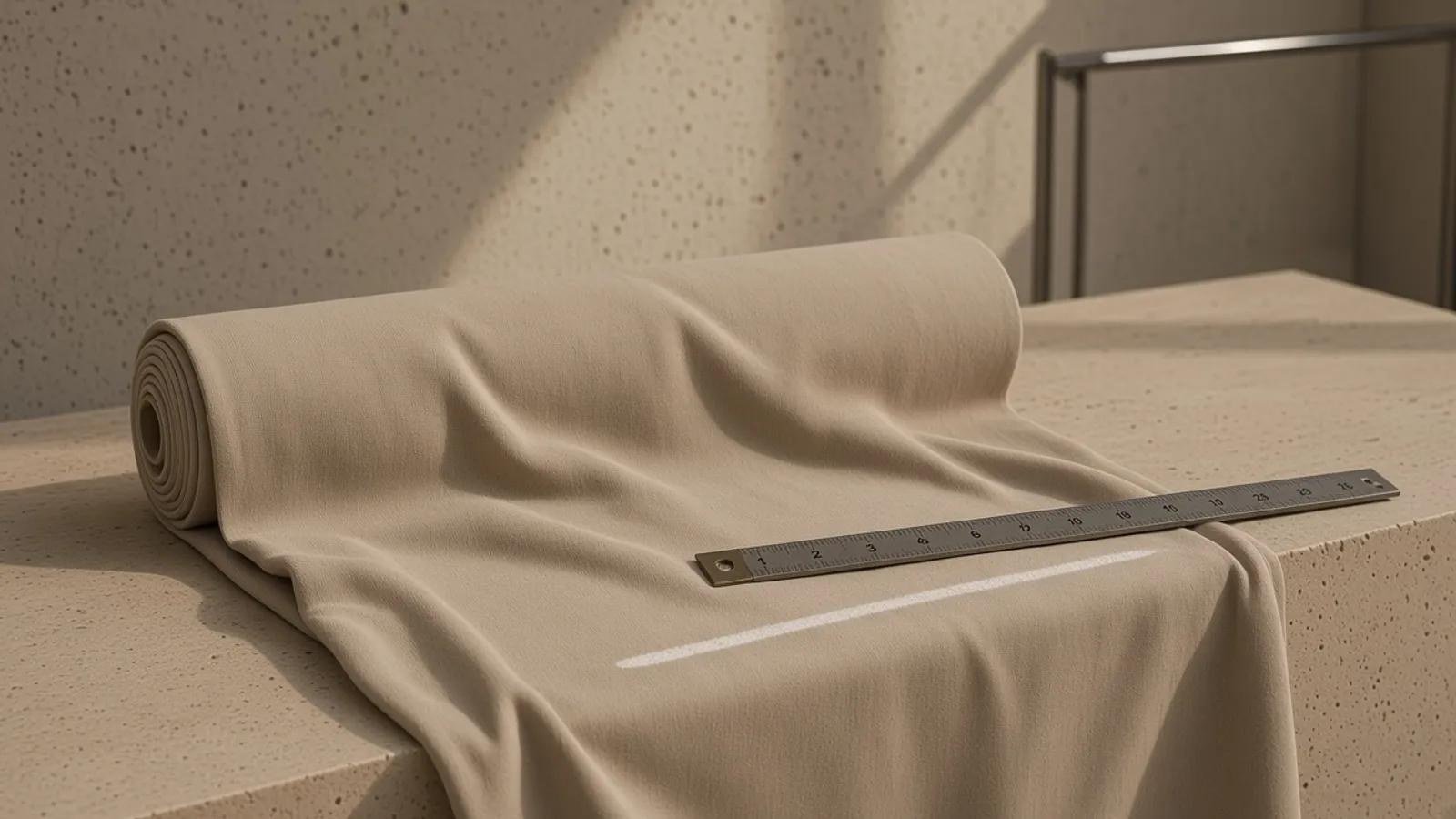
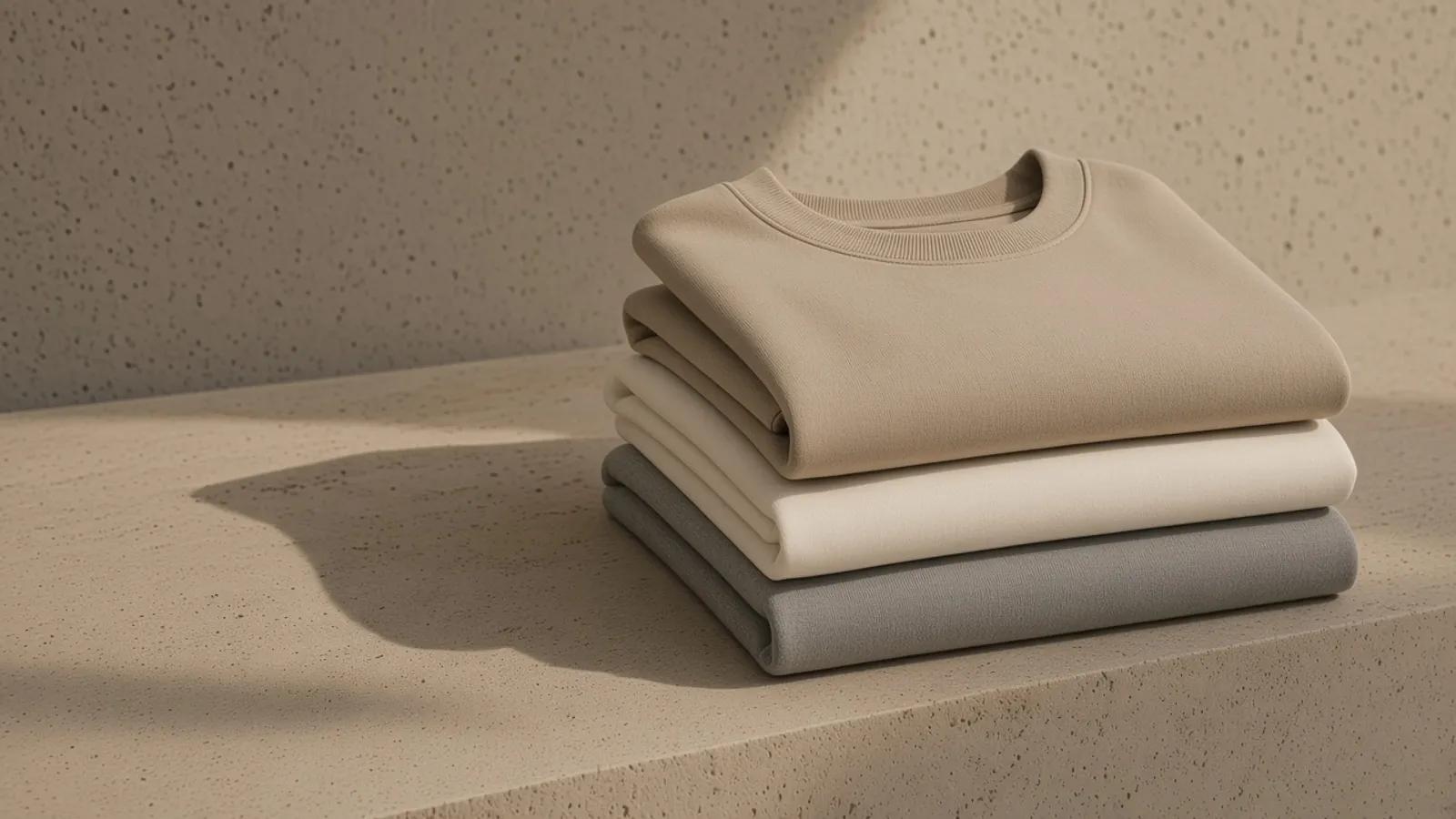
Loopback is a sweatshirt cloth with a smooth face and a looped inside. The weight is mid, not a winter fleece and not a T-shirt. It is the cloth of a piece you put on without deciding to.
Hold it to the light and the knit is regular. That regularity is what keeps a hem from twisting after a wash.
What organic means here
The cotton is grown without the usual synthetic pesticides, then spun and knit for this weight. Organic is a fact about the fibre. It is not a softer hand by magic.
The hand comes from the knit, the dye, and the wash. A thin organic jersey can feel cheap. A heavy one can feel like a costume. This one sits between them.
What we leave out
No coating to fake a “premium” slide under the hand. No enormous logo knit into the chest. The cloth is supposed to be noticed by nobody but you.
If a finish has to announce itself, it is the wrong finish. The test is the second week of wear, not the first minute out of the parcel.
How it wears
It softens. The shape stays: shoulder, cuff, hem. That is the brief we give the knit, and it is the thing to check when a piece has been washed more than once.
Wash cool, hang or fold. A hot tumble will do what a hot tumble does to any cotton. The cloth is not armour against that.
Why the hand-feel is the product
A basic is worn until it is not a decision anymore. If the cloth pills into a costume or collapses into a rag, the cut never gets a chance.
We would rather talk about loop and weight than about a mood. The mood is what happens when the cloth is right and the day is ordinary.